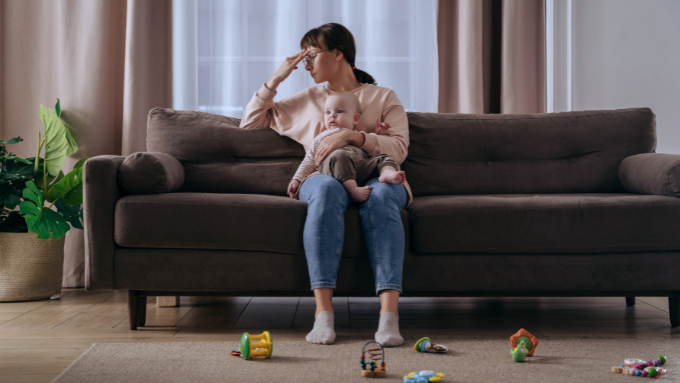
Caregiving responsibilities and a lack of affordable, workable childcare are the biggest factors contributing to the high number of young women who are not in employment, education or training (NEET).
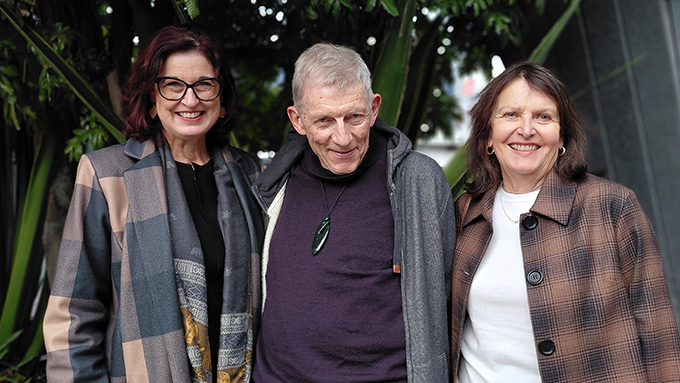
When Richard Mortensen joined the organisation now known as Te Uru Tāngata in 1997, Jim Bolger was Prime Minister, Google didn’t exist, and workplace inclusion was far from the mainstream...
The Legislation (Definitions of Woman and Man) Amendment Bill, a member's bill currently before the Social Services and Community Select Committee, proposes to insert fixed biological definitions of...
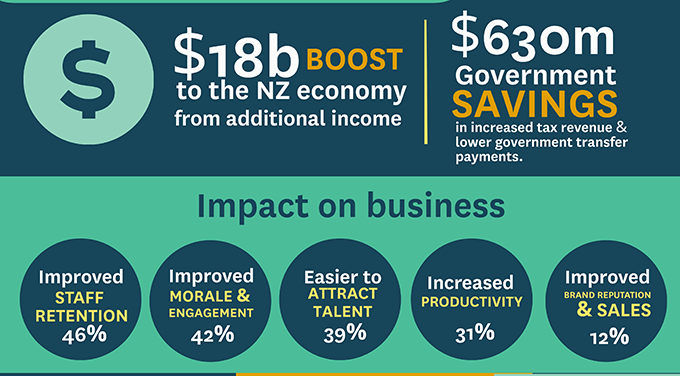
The first comprehensive research into pay gap reporting in Aotearoa New Zealand challenges the common belief that mandatory reporting would be a financial burden for businesses and outlines a raft of...
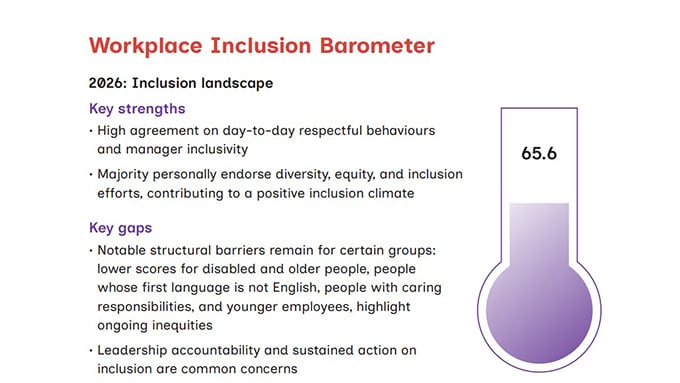
New research shows leaders and teams across New Zealand workplaces are committed to building inclusive cultures but are being held back by a lack of robust strategies, processes and policies to...
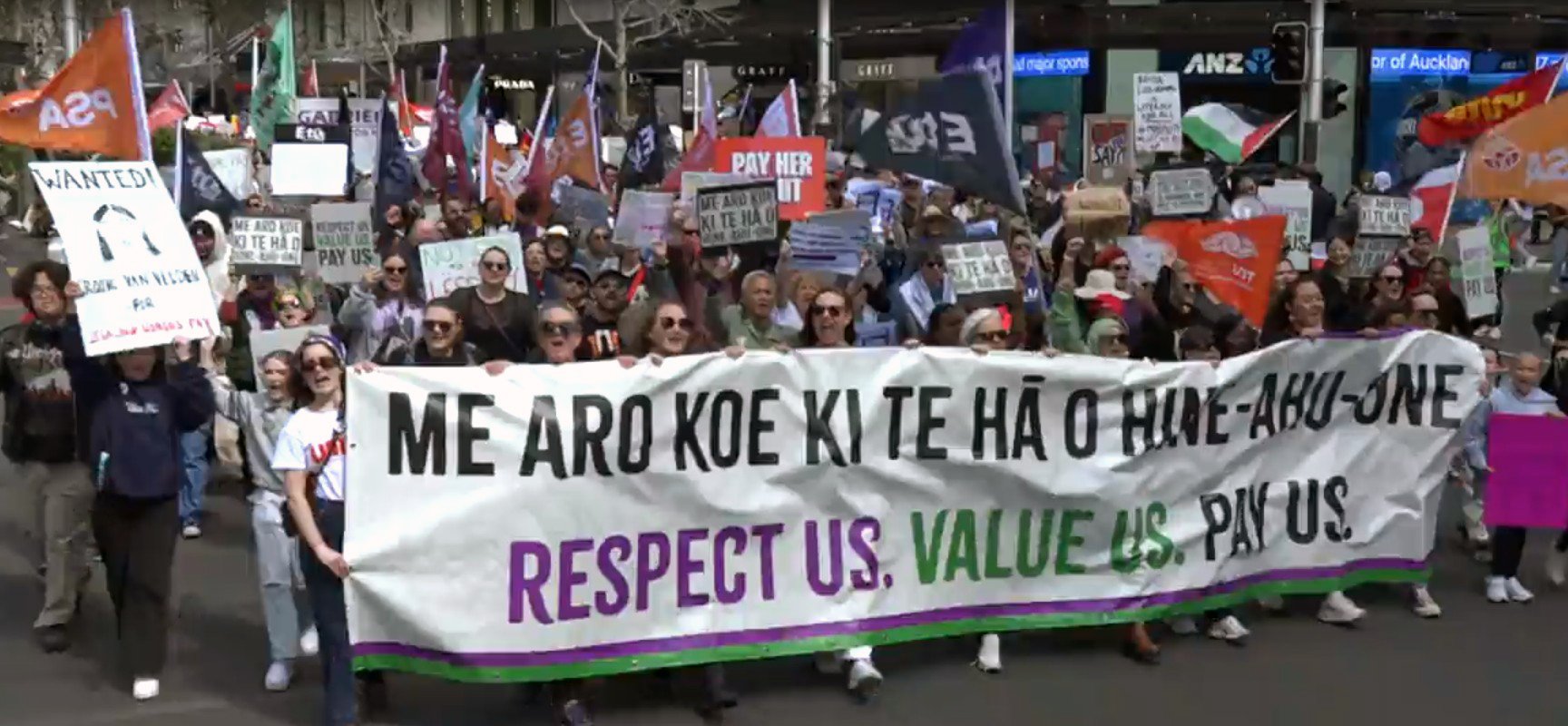
A coalition of 20 organisations has lodged a formal complaint with the United Nations, asking it to investigate whether the Government’s changes to New Zealand’s pay equity laws amount to systemic...
New Zealand Football is driving a bold shift to address the historic underrepresentation of Māori across all levels of the game — from players and coaches to referees and leadership — reshaping...
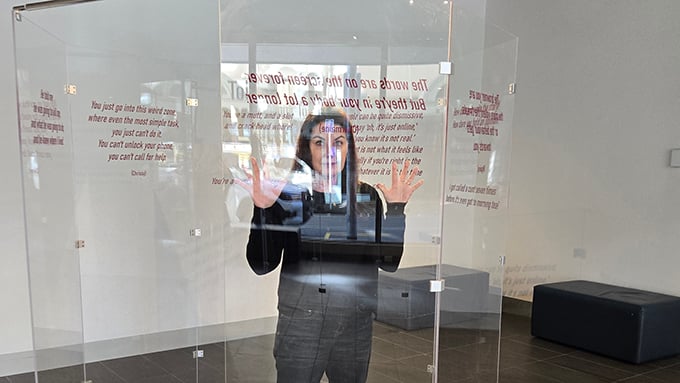
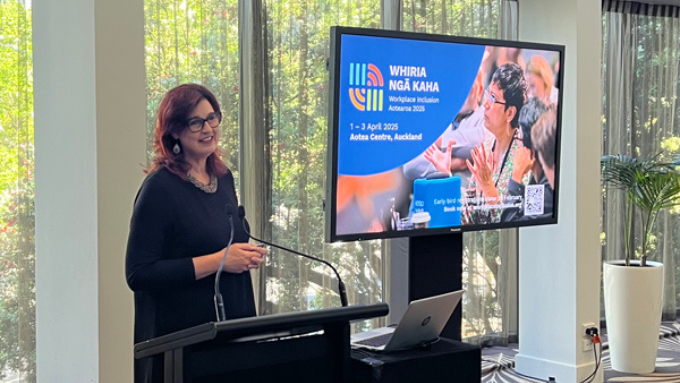
Delegates to this year’s WhiriaNgā Kaha Workplace Inclusion Aotearoa conference can step inside the realities of online abuse through a unique art installation.




%20(4).png "New Zealand Football wins 2026 Diversity Awards NZ™")