Supreme Winner, He Ara Māori Tohu Winner
New Zealand Football
New Zealand Football (NZF) has undertaken a comprehensive transformation to address the historic underrepresentation of Māori across all levels of the game, including players, coaches, referees and administration.
Recognising both internal capability gaps and systemic misalignment with Te Tiriti o Waitangi, the organisation committed to embedding tikanga Māori and building authentic partnerships as a foundation for change.
NZF General Manager Legacy and Special Projects Paula Hansen says football was introduced in Aotearoa by European immigrants and historically did not reflect the cultural identity of this land or honour Te Tiriti o Waitangi.
“For decades, the sport operated within frameworks that overlooked Māori perspectives and tikanga. Our Executive Committee and leaders recognised that change was essential.”
The team of 60 staff based throughout Aotearoa stepped up to the challenge of moving beyond cultural awareness to embedding genuine cultural capability and practices across the national sports organisation.
The challenge was two-fold, Paula says.
Kaimahi needed to understand why this was important, then gain the confidence and knowledge to engage meaningfully with Māori and other cultural communities and make decisions that reflected these new commitments.
Governance and operational frameworks also required alignment with Te Tiriti o Waitangi to ensure equity and inclusion.
Before putting formal frameworks in place, NZF initiated practical steps to build cultural knowledge and confidence across the organisation.
Education opportunities and resources supported kaimahi to use simple greetings and farewells and tohutō correctly. Staff also had access to an online te reo Māori programme and annual Te Tiriti o Waitangi workshops. Kaimahi Māori could attend Te Ara Tāwhaiwhai with Riki Consultancy, while non-Māori staff could attend Haumi Ē, an allyship programme.
Through a relationship with Ngāti Whātua Ōrākei, NZF was gifted a waiata, which the team learned at Ōrākei Marae. Regular waiata and karakia practice sessions created safe spaces for staff to learn and participate.
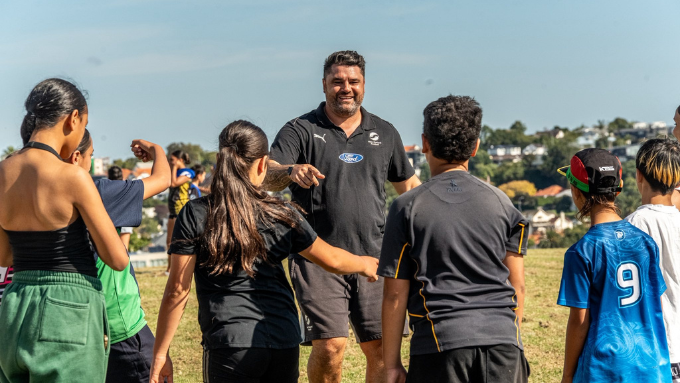
The team also connected with Māori Football Aotearoa (MFA), supporting its activities and strategy and co-designing the Kōtuitui programme for schools.
Pounamu was gifted to staff as a taonga representing connection and responsibility, while tikanga was embedded in football events, normalising Māori cultural presence.
These early actions informed the development of Te Whāriki o te Tiriti, NZF’s cultural framework, introduced in July 2025.
“This framework formalised our commitment to Te Tiriti and provided guidance for embedding tikanga Māori across governance and operations, from ongoing opportunities and reviewing policies, to putting sustainability and protection of the whenua front of mind, and considering what is needed to make football a game of choice for Māori,” says Paula.
At governance level, statute amendments passed unanimously embed Te Tiriti commitments into organisational decision-making. New organisational values were also developed using te ao Māori concepts, with the involvement of all NZF staff and Board members.
Te Uru Tāngata Chief Executive Maretha Smit says the judges were impressed by the deep co-design and partnership with Māori.
“Collaboration with Māori Football Aotearoa and Ngāti Whātua Ōrākei is shaping both strategy and programme and event delivery. Māori are not only included but are actively shaping the direction of the organisation.”
Paula says New Zealand Football’s journey is ongoing, but the foundation is strong.
“Cultural capability is now a shared responsibility, sustained through policy, partnerships and people.”
Strategies for success
- Build kaimahi capability first through resources, workshops, online te reo learning, marae visits and education around Te Tiriti o Waitangi.
- Deep co-design and partnership with Māori through relationships with Māori Football Aotearoa and Ngāti Whātua Ōrākei.
- Embed tikanga, including waiata and karakia, into events, identity and everyday practice.
- Establish a Kaimahi Māori Network to strengthen Māori voice, cultural identity and leadership within the organisation.
- Develop Te Whāriki o te Tiriti to embed commitments across governance, policy and operations.
Results and benefits
- Māori participation in football increased nine per cent to 8,947 registered players.
- 90 per cent of New Zealand Football staff have engaged with te reo Māori and Te Tiriti workshops, alongside staff from six Regional Football Federations.
- The majority of kaimahi can confidently lead waiata and karakia.
- Investment in Māori Football Aotearoa supported its first paid role, leadership opportunities and pathways for Māori coaches.
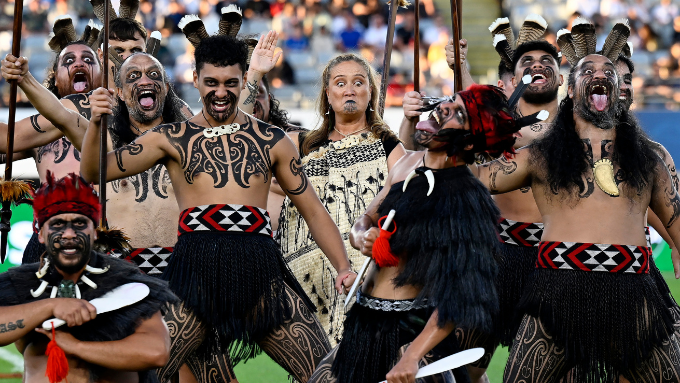
- Every senior international match hosted in Aotearoa during 2024 and 2025 included iwi-led ‘Call to the Field’ ceremonies.
- Te Tiriti commitments are now embedded in organisational decision-making.