Employee Networks Award Winner
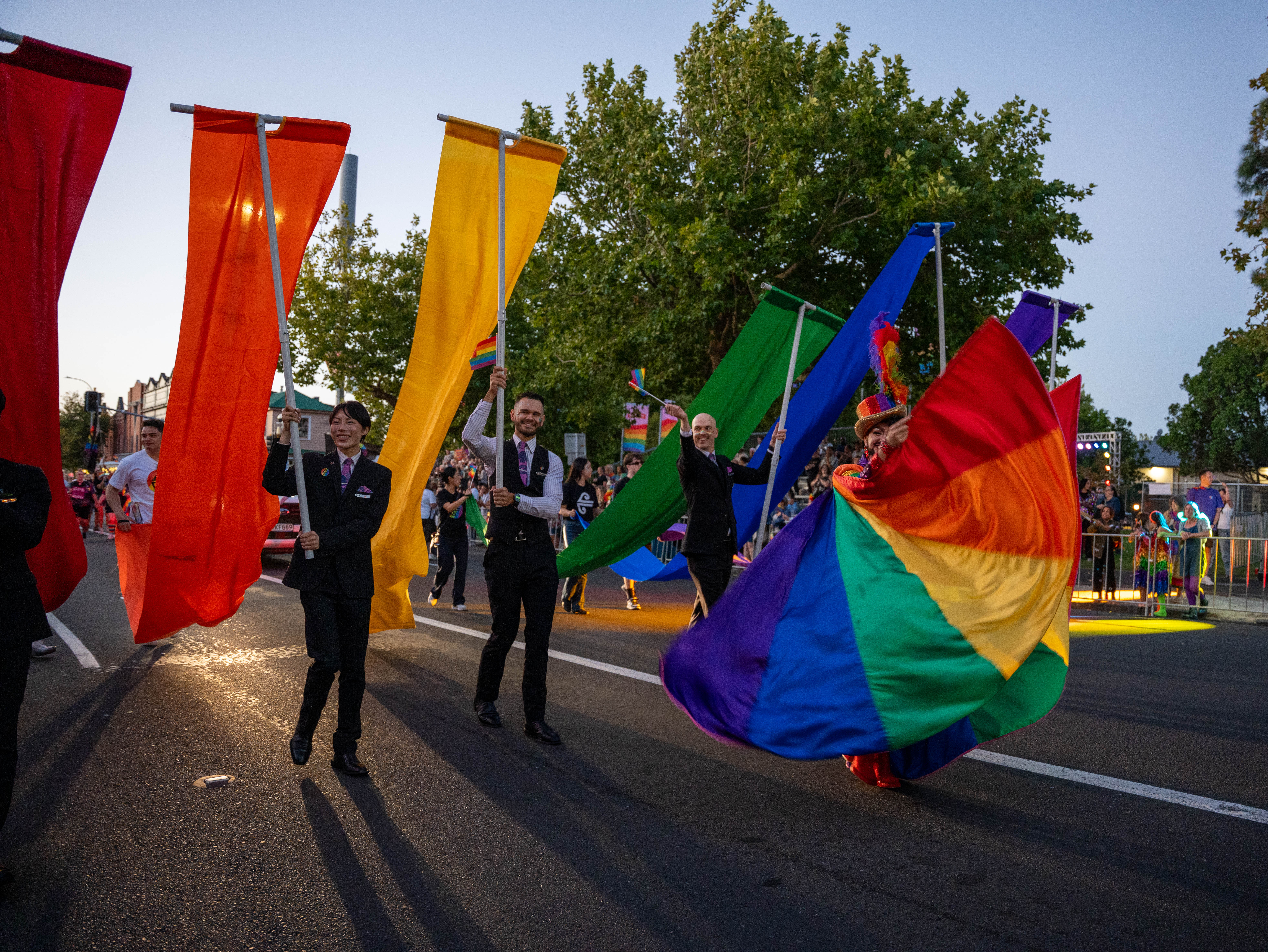
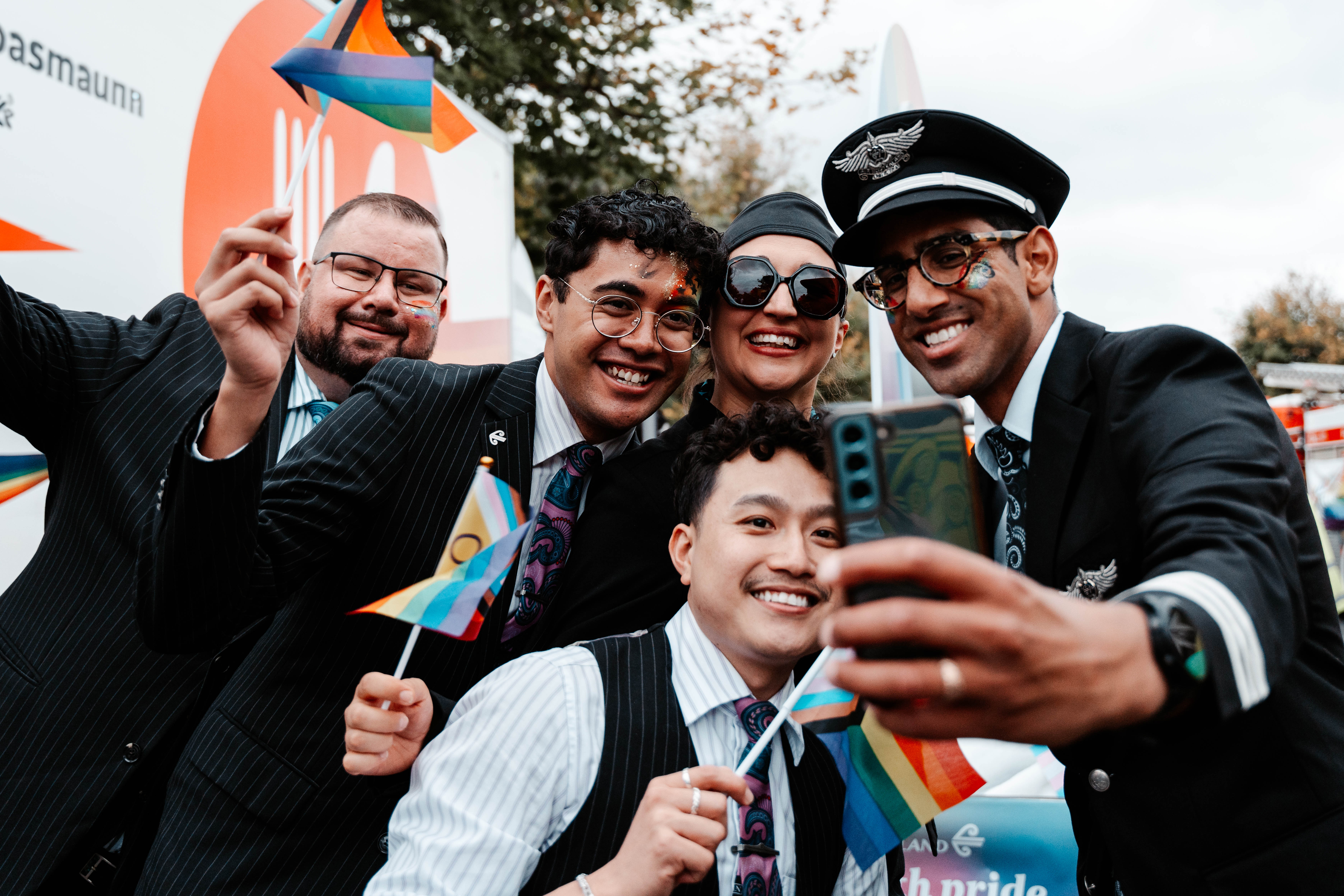
Air New Zealand has developed a mature and integrated employee network ecosystem, bringing together 10 networks to collectively advance inclusion across culture, gender, disability and identity.
“A key barrier facing our people was fragmentation across a large, dispersed workforce. Our networks were working in isolation, events were competing for attention, and inclusion was seen as something ‘extra’ rather than integral to how we work,” says Senior People Specialist (EX) Robynne Sam.
To address this, Air New Zealand reframed inclusion as a collective movement rather than individual advocacy. In 2024, its 10 Employee Networks came together under a unified framework, with shared governance, funding, and collaboration goals. This shift encouraged cross-network planning, enabling diverse groups to learn from one another and amplify impact rather than duplicate effort.
For example, the Manu and KASIA Networks partnered to host a joint Matariki Market, blending Māori and Asian cultural celebrations in a way that modelled inclusion in action. Likewise, the Women's, WINGS, WISE, and Women in Digital Networks formed a quarterly alliance, identifying shared priorities such as International Women's Day and Money Month for Wāhine to advance gender equity collectively.
Strategies for success
- Brought 10 Employee Networks together under a unified framework.
- Established shared governance, funding and collaboration goals.
- Created regular Roundtables and steering committees for cross-network learning and planning.
- Introduced leadership development pathways and cross-network mentoring.
- Encouraged networks to collaborate on shared priorities and initiatives.
- Used collective network expertise to inform policies, communications and event design
- Overall Employee Network engagement increased by more than 60 per cent in 2024-25.
- Employee surveys show improved psychological safety and visibility of under-represented groups.
- Cross-network collaboration has reduced duplication and amplified the impact of network initiatives.
- The Women’s, WINGS, WISE and Women in Digital Networks now collaborate quarterly on shared gender equity priorities.
- Network collaboration has influenced inclusive event design, accessible communications and policy reform.
- Inclusion is increasingly embedded in leadership conversations, business strategy and everyday interactions.
Results and benefits
- Overall Employee Network engagement increased by more than 60 per cent in 2024-25.
- Employee surveys show improved psychological safety and visibility of under-represented groups.
- Cross-network collaboration has reduced duplication and amplified the impact of network initiatives.
- The Women’s, WINGS, WISE and Women in Digital Networks now collaborate quarterly on shared gender equity priorities.
- Network collaboration has influenced inclusive event design, accessible communications and policy reform.
- Inclusion is increasingly embedded in leadership conversations, business strategy and everyday interactions.