2026 Case studies

Accessibility NetworkAIA NZ

Neurodiverse Talent Award Winner

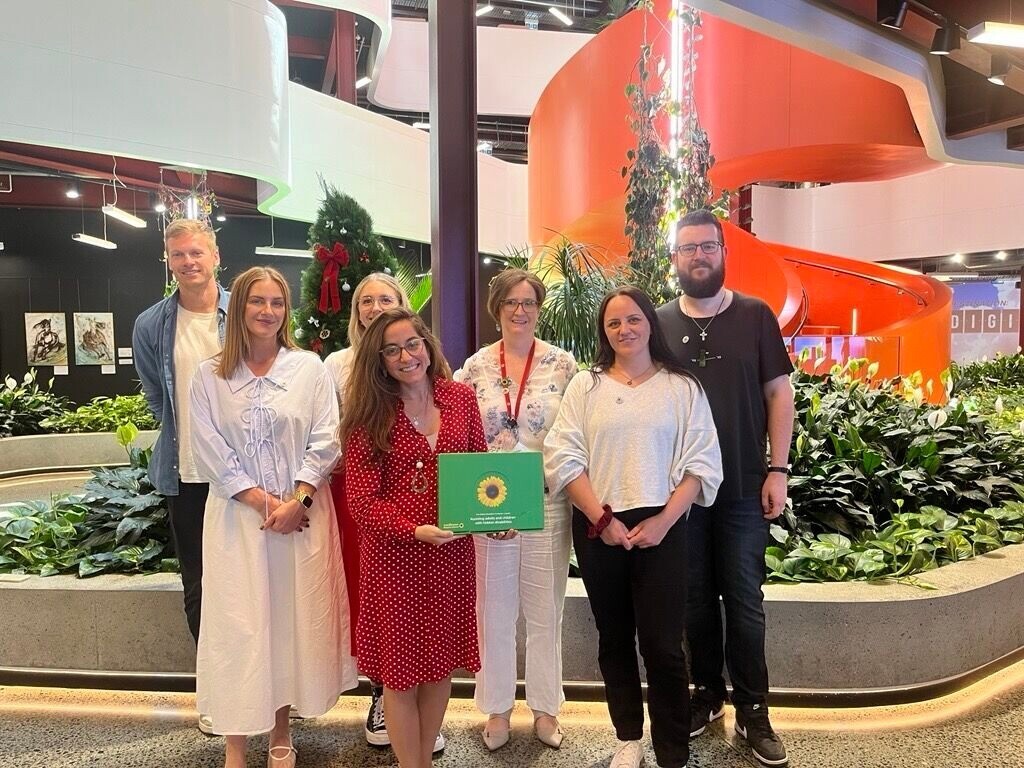
A Neurodiversity Toolkit is connecting employees at AIA NZ with the support they need, building understanding of neurodiversity across the wider business and becoming a resource that can be shared with other organisations.

Accessibility Network Co-Chair Carly Bartlett says the employee-led group was established when AIA NZ recognised a lack of internal capability and confidence in supporting accessibility needs, especially non-visible conditions such as neurodiversity.

One of the group’s most impactful deliverables to date was the Neurodiversity Toolkit, which was developed in collaboration with external partners (New Zealand Disability Employers' Network, Autism NZ, ADHD NZ and Dyslexia Consulting).

“Research shows that more than 60 per cent of neurodiverse employees do not disclose at work and our experience supported this as the resources and accommodations provided were underutilised,” Carly says.

To change that, the Accessibility Network worked closely with the Organisation Development team to develop an engaging, research-backed resource designed for everyone, not just neurodiverse employees.

“We understood that truly addressing barriers would require buy-in from 'neurotypicals' too. Including guidance that caters for leaders and team members has helped to maximise engagement.”
The Toolkit covers general neurodiversity concepts and dives deeper into three common conditions: ADHD, dyslexia and autism. It highlights seen and unseen characteristics, plus "Great Traits" – positive qualities often associated with these conditions – to challenge stigma and spark constructive conversations.

It also signposts support options and explains how and why different accommodations can be helpful for neurodiverse people. Examples range from the simple practices that anyone can adopt to leader-specific guidance (e.g. navigating performance reviews), company policies (e.g. flexible working arrangements), and funded services like EAP.

The resource is referenced during onboarding, ensuring new starters and new leaders quickly build confidence. It is also promoted through Accessibility Network events, featured in company-wide communications and accessible through the intranet and human resources systems.

The Toolkit has also inspired employees to share personal stories, many for the first time. There are even cases where people have sought a diagnosis after learning what neurodiversity is and isn't. Some have been courageous enough to share their experiences in AIA’s weekly newsletter.

One technology leader said, “As someone with dyslexia, I was immediately drawn to the new Neurodiversity Toolkit and read it right away. I joined the Accessibility Network three seconds later and felt an overwhelming sense of calm as I realised that my workplace was a safe space to be me.”

Another Accessibility Network member said, “I was diagnosed with ADHD two years ago, and last month I was also diagnosed with autism; something I never would have discovered without the Neurodiversity Toolkit!”

Beyond work, the Toolkit is also supporting families, with many employees sharing how it's helped them better understand loved ones and/or connect them with professional support and guidance.

To mark Neurodiversity Celebration Week earlier this year, AIA released their Neurodiversity Toolkit to the public with the aim to support other workplaces and sectors to take practical, meaningful steps to better support neurodivergent employees.

Te Uru Tāngata Chief Executive Maretha Smit says AIA is taking a highly structured and scalable approach to inclusion, tackling a complex and often invisible challenge with clarity and precision.

“What stands out is the translation of awareness into practical tools and system integration, ensuring that neurodiversity is not treated as a niche issue but embedded across the organisation.

“The strength of this approach lies in its replicability and reach – the toolkit, partnerships and governance model create a blueprint that can be adopted across sectors and geographies. Combined with strong data and executive backing, this positions AIA as a leader in capability-building for neuro-inclusive workplaces.”

Results and benefits

  • Fostering a more neuro-inclusive workplace has enabled employees to talk more openly about their experiences and educate others.
  • Connected neurodiverse employees with available workplace accommodations and peer support.
  • Helped some employees recognise neurodiverse traits in themselves and seek a diagnosis and appropriate support.
  • Extended its impact beyond the workplace, helping employees better understand and support neurodiverse family members.
  • Following its success within AIA NZ and interest from other organisations, the Toolkit was released publicly to benefit more organisations and communities to support neurodivergent employees.

Strategies for success

  • Co-developed the Neurodiversity Toolkit with specialist external partners to ensure content was research-backed and practical.
  • Designed the Toolkit for everyone, giving neurodiverse employees, colleagues and leaders practical guidance to build understanding and support.
  • Connected employees with practical accommodations and support, from everyday workplace practices and flexible working to EAP and guidance for leaders.
  • Embedded the Toolkit into new employee and leadership onboarding and promoted it through events, awareness days and company-wide communications.
  • Made the Toolkit easily accessible through AIA NZ's intranet and human resources systems and tracked engagement and feedback to inform its development.
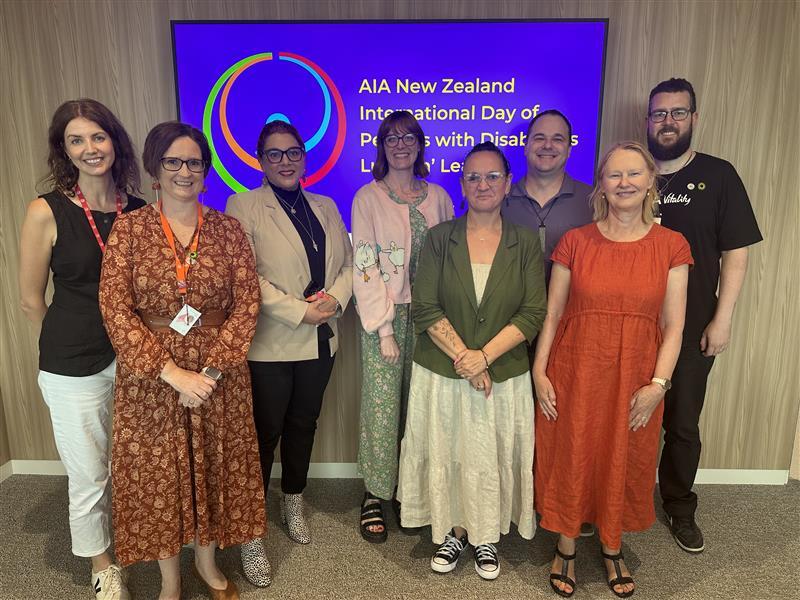
Team Photo w Phil